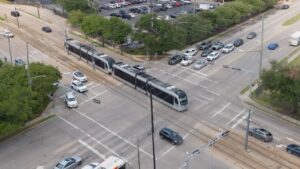


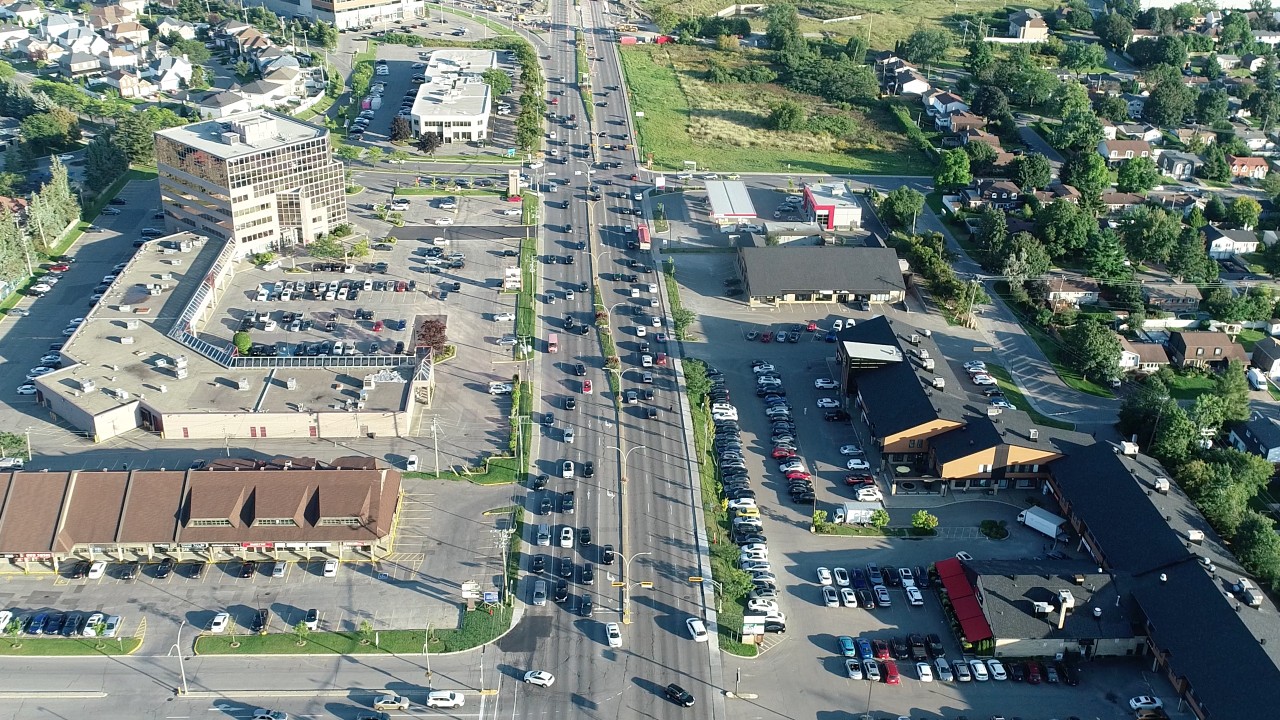
In January 2025, Kirkland deployed NoTraffic’s AI-powered traffic optimization platform across six intersections on St. Charles Boulevard. The goal: improve performance without altering any signal sequences or infrastructure. Despite limited internal resources, the city achieved measurable reductions in delay, emissions, and red-light running, all while maintaining original signal logic and pedestrian settings.
The Result
Within weeks of activation, the six-intersection corridor delivered measurable improvements while fully respecting Kirkland’s operational constraints. Delays dropped significantly for vehicles and pedestrians, red-light running was reduced, and environmental benefits were achieved without any signal reprogramming or infrastructure changes.
| Metric | Improvement (%) |
| Overall Delay | Reduced 12 % |
| Saint-Charles & Brunswick | Reduced 48 % |
| Pedestrian Delay | Reduced 33% |
| AM Peak Delay | Reduced 14 % |
| PM Peak Delay | Reduced 22 % |
| Red-light running | Reduced 27% |
| Total Economic Value * | $7.4 M ($10 M CAD) |
| CO2 Reduction ** | 2,800 mt |
| CO2 Reduction (tree-equivalents) ** | 26,000 |
Managing the Impacts of Construction
Kirkland’s St. Charles Boulevard project shows that AI traffic optimization can deliver significant safety, efficiency, and environmental gains even under strict operational constraints. Cities without large traffic engineering teams or those managing complex corridors after construction can achieve measurable results without reprogramming signals or changing infrastructure. By working with Orange Traffic and NoTraffic, Kirkland transformed a critical connector into a more efficient, equitable, and sustainable roadway for all users.
NOTES:
* Total Economic Value represents time and gas savings over the initial 5-year warranty plus operational savings related to signal re-timing, included data and analytics package, persistent camera installation, and NOC support
** Over initial 5-year warranty period