

The Result
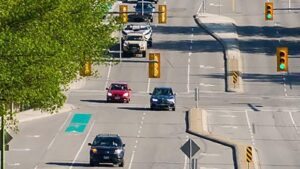
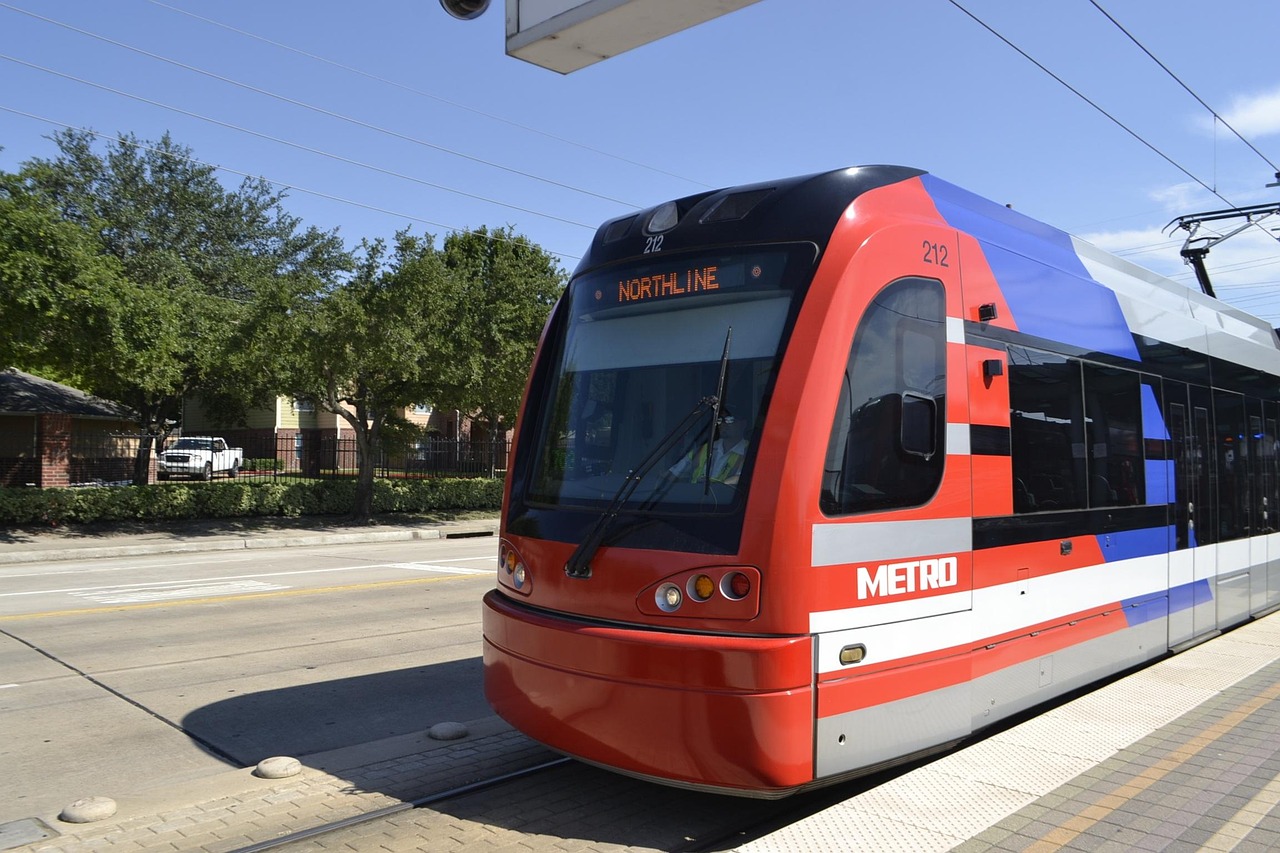
Optimization Mode leverages predictions to evaluate numerous potential future traffic scenarios in real-time to optimize traffic flow, reduce congestion, and improve overall transportation efficiency and safety. For this project, NoTraffic optimized 10 intersections on Old Spanish Trail (Kirby Dr to Almeda Rd) serving NRG Stadium access, METRORail crossings, and the Texas Medical Center.
Across the 10-signal corridor, Houston reduced average delay 15% (≈5.95 sec/veh), saving about 20,873 hours annually while improving weekday peaks (AM: -15%, PM: -11%). Through-movement delay dropped up to 21%, and side streets improved in the AM (-13%) with only a slight PM increase (+2%). Safety performance strengthened as higher-severity red-light entries (Tier 2–3) fell 42%. With measured time savings, the project is estimated to deliver over $40M in total economic value plus a projected 16,000 metric tons of CO₂ avoided over five years.
| Metric | Improvement |
| Overall Delay | Reduced 15% |
| Delay at Key Location: OST & Fannin (AM) | Reduced 52% |
| Red-Light Running | Reduced 42% |
| AM Peak Delay | Reduced 15% |
| PM Peak Delay | Reduced 11% |
| Total Economic Value * | Over $40M |
| CO₂ Reduction ** | Over 16,000 mt |
| CO₂ Reduction (tree-equivalents) ** | 150,000 |
Big-Event Flexibility Backed by Solid Return on Investment
CONCLUSION:
Houston’s Old Spanish Trail project shows what NoTraffic Optimization can do for agencies facing demand that changes by the hour—and by the event. With NRG Stadium set to host seven 2026 FIFA World Cup matches, Houston needed more than “a good plan”—it needed the ability to respond when traffic patterns don’t repeat. Research has highlighted how international events can trigger drastic shifts in routing and driver behavior compared with typical game days, which is exactly where fixed timing assumptions break down.
This deployment demonstrates a repeatable playbook: use real-time detection to optimize cycle length, splits, and offsets within agency guardrails; measure delay, queues, and safety KPIs; and deliver improvements quickly—without widening roads. For traffic teams, it’s a practical way to modernize high-visibility corridors (stadiums, hospitals, rail crossings, and freeway access) with results leadership can quantify.
NOTES:
* Total Economic Value represents time and gas savings over the initial 5-year warranty plus operational savings related to signal re-timing, included data and analytics package, persistent camera installation, and NOC support
** Over initial 5-year warranty period